Preparing your organization for its worst day
Most organizations believe they’re prepared. The real question is whether your team is ready to perform when it actually matters.
How prepared are you, really?
- Do you know who is in charge when a crisis starts?
- Do you have a crisis response team? Do those people even know they’re on it?
- Are you prepared to put the right person in front of the media?
- How are decisions made in the first ten minutes?
- Has your plan ever been tested under real pressure?
Real preparedness is uncomfortable. It starts by asking the hard questions.
What this work requires
Organizations come to us at different starting points. Some are building programs from the ground up. Others have plans in place but limited confidence in how they would perform in a real incident.
Plans don’t fail because they don’t exist. They fail because they haven’t been tested.
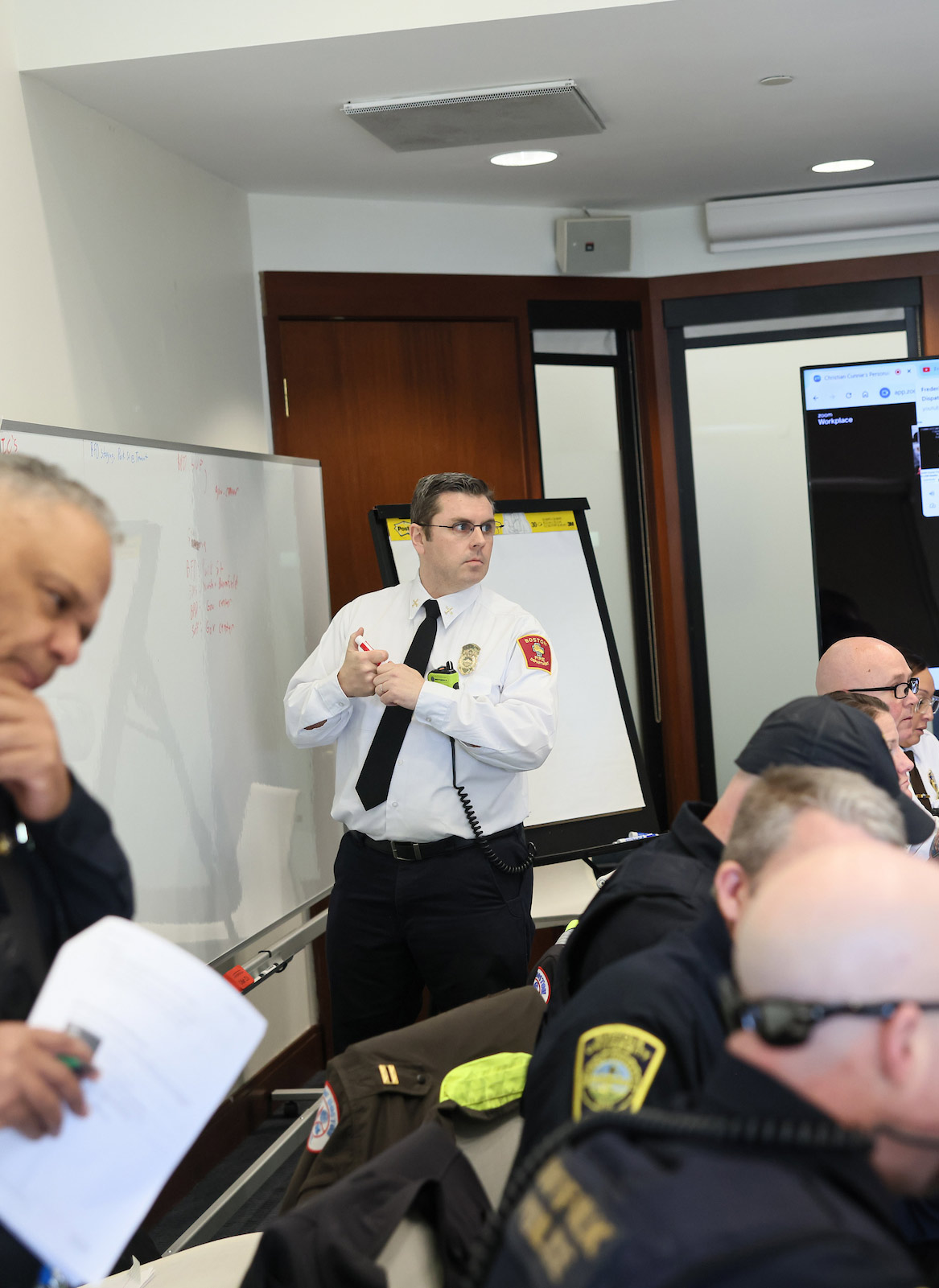
We help organizations plan, train, and run realistic scenarios and simulations that reflect how incidents actually unfold, so gaps are identified before they matter.
Where we Focus
Planning and Coordination - Building clear, usable structure for how your organization prepares for, responds to, and recovers from incidents. This includes emergency plans, crisis communications, continuity planning, and coordination with external public safety and other partners.
Training and Exercises - Ensuring teams understand their roles and can perform under pressure. We design scenario-based trainings and realistic simulated exercises that focus on leadership, coordination, and decision-making in real time.
Program Support and Improvement - Strengthening programs over time through assessments, after-action reviews, and targeted support during key initiatives, events, or incidents.
Training and Exercises
Planning only works if people understand their roles and have practiced using them.
TPS designs training and exercises that focus on leadership, coordination, and decision-making under pressure, including:
- Scenario-based tabletop exercises for leadership and operational teams
- Functional exercises focused on coordination and information flow
- Emergency preparedness training for staff, faculty, administrators, and volunteers
- Incident Command System orientation for non-traditional response organizations
Exercises are tailored to real risks and institutional realities, not generic scenarios.
Program Support and Improvement
We also help organizations strengthen their emergency management programs over time.
This support may include:
- After-action reviews and improvement planning following exercises or real incidents
- Program assessments and gap analyses
- Short-term project support for major events, incidents, or program build-out
Flexible Engagement Models
Emergency management support is delivered through flexible engagement models, including project-based engagements, retainer-based advisory support, and fractional or interim staffing.